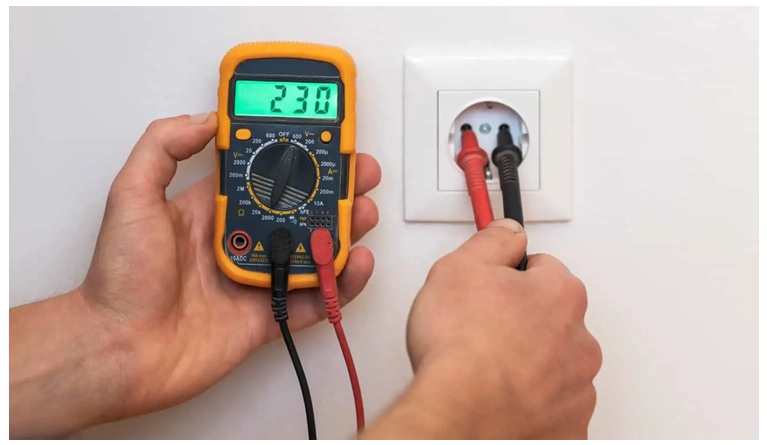
A multimeter is one of the most beneficial tools for each person taking walks with electric-powered devices, domestic home equipment, batteries, or electronic circuits. Whether you’re a proprietor of electrical equipment attempting to test a weak battery or a newbie gaining knowledge of primary electric powered testing, a multimeter helps you measure important electric values quickly and correctly.
At first look, a multimeter may also appear difficult because of its dial, display, and multiple ports. However, at the same time as you understand the cleaning capabilities, using it will become a lot less difficult. You do not need to be an electrician to perform easy electrical tests correctly.
What Is a Multimeter?
A multimeter is a digital measuring device used to test notable electrical power values. Instead of using numerous separate devices, a unmarried multimeter can carry out more than one measurements.
It is normally used for a diploma:
- AC voltage
- DC voltage
- Electrical contemporary
- Resistance
- Continuity
- Battery voltage
- Diodes (on supported fashions)
- Frequency (on advanced models)
Because of its versatility, a multimeter is considerably utilized by electricians, technicians, mechanics, college students, and DIY enthusiasts.
Types of Multimeters
There are critical kinds of multimeters.
Digital Multimeter
A digital multimeter shows readings on an LCD display. It is less difficult to study, offers better accuracy, and is the favored choice for most novices.
Analog Multimeter
An analog multimeter makes use of a moving needle to show measurements. Although much less common nowadays, some specialists nevertheless use it for specific packages wherein watching sluggish adjustments is useful.
For most customers, a virtual multimeter is the outstanding choice due to its simplicity and precision.
Understanding the Parts of a Multimeter
Before taking measurements, it’s essential to recognize the main components of the tool.
Display Screen
The show suggests the measured rate. Digital shows are smooth and easy to read.
Selector Dial
The dial allows you to pick what you want to measure, including voltage, current, or resistance.
Test Leads
Most multimeters encompass two probes.
- Black probe
- Red probe
The black lead usually connects to the common terminal, at the same time because the crimson lead connects to the measurement terminal.
Input Ports
Different ports are to be had relying on what you need to diploma.
Always make certain the probes are related to the fine ports in advance of testing.
Safety First
Safety needs to continually come before taking any electrical measurements.
Follow those precautions:
- Read the customer manual cautiously.
- Inspect check leads for damage.
- Keep your hands far from exposed steel.
- Never touch live electric-powered contacts.
- Use the proper measurement setting.
- Wear a protective device whilst critical.
- Do not exceed the meter’s maximum voltage rating.
These smooth precautions considerably reduce the danger of accidents.
How to Measure Voltage
Voltage is one of the most common measurements.
First, discover whether or not you’re measuring AC voltage or DC voltage.
Household electric shops typically use AC voltage, at the same time as batteries and most digital devices use DC voltage.
Select the excellent voltage mode on the multimeter and position the probes at some point on the power supply. The reading appears on the show inside a few seconds.
If the study is lots decrease than anticipated, the electricity delivery may be inclined or defective.
How to Measure Resistance
Resistance measures how well a fabric opposes the flow of electricity.
Before measuring resistance, make certain the circuit is powered off.
Place the probes in the course of the detail or wire you need to check. The displayed fee indicates its resistance.
Very excessive readings may additionally advise an open circuit, at the same time as extremely low readings frequently suggest an instantaneous connection.
How to Test Continuity
Continuity testing determines whether or not current can flow through a cord or component.
It is normally used for:
- Broken wires
- Electrical switches
- Fuses
- Extension cords
- PCB strains
When continuity exists, most digital multimeters produce a beep, making it easy to become aware of a whole electric-powered direction.
This characteristic is particularly beneficial when troubleshooting family wiring.
How to Measure Current
Current duration is barely one of a kind from voltage testing.
Instead of measuring in the path of a circuit, the multimeter becomes part of the electrical path.
Because this technique includes direct electric current, beginners want to proceed cautiously and usually follow the producer’s commands.
If you are uncertain, exercise on low-voltage circuits rather than jogging with higher electric currents.
How to Test a Battery
A multimeter makes battery checking short and clean.
Whether checking AA batteries, automobile batteries, or rechargeable batteries, measuring voltage helps determine whether the battery has enough charge.
If the measured voltage is appreciably lower than the rated value, the opportunity for recharging is crucial.
Battery attempting out is one of the most common reasons house proprietors purchase a multimeter.
Common Uses of a Multimeter
A multimeter can assist in remedying many normal electrical problems.
Popular uses include:
- Check the batteries in the circle of relatives
- Testing electric stores
- Finding broken wires
- Diagnosing tool problems
- Inspecting the electric-powered vehicle structures
- Verifying the strength of materials
- Testing extension cords
- Examining digital additives
Its versatility makes it a valuable device for both professionals and novices.
Common Mistakes to Avoid
Many novices make easy mistakes at the identical time as the usage of a multimeter.
Avoid the common mistakes:
- Choosing the incorrect size mode.
- Using broken test leads.
- Measuring resistance on a powered circuit.
- Connecting probes to the wrong ports.
- Ignoring protection precautions.
- Exceeding the meter’s highest score.
- Forgetting to switch size modes.
Being cautious prevents defective readings and protects both the purchaser and the device.
Tips for Accurate Readings
To obtain reliable measurements:
- Use a superb virtual multimeter.
- Keep probes smooth.
- Replace vulnerable multimeter batteries.
- Store the meter in a dry place
- Select the proper measurement variety.
- Hold the probes firmly.
- Avoid measuring in wet environments.
- Calibrate expert meters as required.
Small corrections, like improving both accuracy
Benefits of Using a Multimeter
Learning a way to use a multimeter gives several benefits.
It allows pick out electrical troubles rapid, reduces vain restore charges, and could increase self assurance at the same time as running with electric system.
Instead of guessing whether or no longer a battery, cable, or outlet is faulty, you can confirm the problem in seconds.
This saves time and money while enhancing protection at some point in troubleshooting.
Conclusion
Understanding the way to use a multimeter is a terrific ability for owners, students, DIY fans, and technicians. Although the tool may also seem complicated to begin with, its primary features are clear to investigate with practice.
By using statistics, voltage, resistance, continuity, and current measurements, you can diagnose commonplace electric-powered problems successfully and effectively. Always examine protection pointers, use the proper settings, and take a look at your device before taking measurements. With regular workouts, a multimeter becomes one of the most valuable devices in your toolbox.
Frequently Asked Questions
1. What is a multimeter used for?
A multimeter is used to measure voltage, current, resistance, continuity, and particular electric values for troubleshooting electrical systems.
2. Can beginners use a virtual multimeter?
Yes. Digital multimeters are designed to be user-friendly and are outstanding for beginners because of their easy-to-read displays.
3. Is it constant to apply a multimeter?
Yes, provided you comply with the protection commands, use the nice settings, and keep away from touching the electric contacts.
4. Can I take a look at batteries with a multimeter?
Yes. A multimeter is commonly used to test the voltage and state of your own family, rechargeable, and car batteries.
5. What is the difference between AC and DC voltage?
AC voltage adjustments occur periodically and typically utilize household current at the same time as DC voltage flows in a single path and is used by batteries and masses of virtual gadgets.
6. Why does my multimeter display no analysis
Possible motives encompass wrong settings, loose probe connections, broken test leads, a low multimeter battery, or checking out an inactive circuit.
7. Hodo I need to preserve a multimeter?
Store it in a clean, dry place, disconnect the battery if it will not be used for a long time, and keep the test leads blanketed from damage.