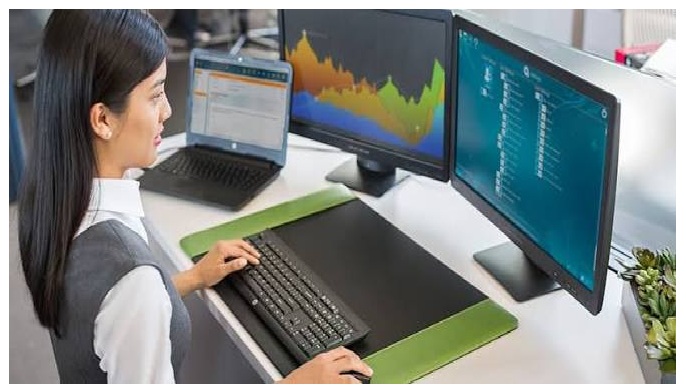
Using an external monitor along with your computer is one of the best approaches to improve your productivity and viewing experience. Whether you earn a living from home, edit motion photos, play experience games, attend online training, or simply need greater show show vicinity, conneonlinen outside scresimplyto make a wonderful difference.
Why Connect an External Monitor to a Laptop?
Many customers select to include a 2d show as it offers numerous advantages.
Some of the most essential benefits encompass:
- More workspace for multitasking
- Better display period for watching films
- Improved productivity for office work
- Easier photo and video editing
- Better gaming experience
- Comfortable viewing in some unspecified time in the future of online meetings
- Reduced need to continuously switch among programs
Whether you own a Windows computer or a MacBook, connecting a monitor is a beneficial improvement.
Things You Need Before Connecting
Before beginning, make certain you’ve got:
- A laptop
- An out of doors show
- A nicely desirable show cable
- A power cable for the monitor
- An adapter (if required)
Most current-day monitors and laptops support plug-and-play capability.
Check Your Laptop’s Display Ports
The first step is figuring out which show output your laptop has.
Common display ports include:
HDMI
HDMI is the most common alternative nowadays. It transmits both video and audio through a single cable.
USB-C
Many newer laptops use USB-C ports that assist DisplayPort or Thunderbolt technology.
DisplayPort
Some enterprise agency laptops include a DisplayPort connection for high-resolution displays.
Mini DisplayPort
Older laptops may also have a Mini DisplayPort as opposed to the standard DisplayPort.
VGA
VGA is an older analog connector regularly positioned on older laptops and projectors.
Check Your Monitor’s Input Ports
Your display screen may include one or more of these ports:
- HDMI
- DisplayPort
- USB-C
- VGA
- DVI
The cable you use must match the ports available on both your laptop and display.
How to Connect an External Monitor to a Laptop
Follow these easy steps.
Step 1: Turn Off the Devices (Optional)
Although present-day gadgets are useful resource warm-plugging, turning each device off before connecting is a secure practice.
Step 2: Connect the Cable
Insert one end of the display cable into your laptop, a nd the other end into your display screen.
Make sure the cable is firmly connected.
Step 3: Turn On the Monitor
Power on the display.
Use the display’s menu buttons if necessary to pick the right input source, such as HDMI or DisplayPort.
Step 4: Start Your Laptop
Turn on your computer.
In most times, Windows or macOS robotically detects the external display.
Configure Display Settings on Windows
After connecting the display, you can need to customize the way it works.
Open Display Settings
Right-click anywhere on the computer.
Select Display Settings.
You will see every display listed.
Choose Display Mode
Windows gives several display alternatives.
Duplicate Display
Shows the same content on both video display units.
Ideal for shows.
Extend Display
Creates a bigger display across each display.
Best for multitasking.
Second Screen Only
Turns off the computer display and makes use of the external display only.
Change Resolution
Choose the show’s recommended choice for the sharpest picture.
Arrange Displays
Drag the display screen icons to align their physical positions.
This allows the mouse pointer to move freely among displays.
Configure Display Settings on macOS
MacBook users can also connect external video display units effortlessly.
Open:
Apple Menu → System Settings → Displays
Here yocanld:
- Extend your laptop
- Mirror shows
- Adjust resolution
- Rearrange display positions
- Select the number one display
Using Multiple Monitors
Many laptops support one or more external video display units.
This depends on:
- Graphics card functionality
- Available ports
- Docking station useful resource
- USB-C or Thunderbolt bandwidth
Professionals often use twin-screen or triple-display setups for expanded productivity.
Wireless Monitor Connection
If your computer and displays support wireless display technology, youmayn notneedt a cable.
Windows users can use:
- Miracast
- Wireless Display Adapter
Some smart TVs also support wireless screen casting.
Wireless connections are accessible but can also have slightly better latency than wired connections.
Common Problems and Solutions
Sometimes the display may not artwork proper away.
Here are a few short fixes.
Monitor Shows “No Signal”
- Check cable connections.
- Verify the ideal input source.
- Restart all devices.
Laptop Doesn’t Detect Monitor
- Press Windows + P.
- Select Extend or Duplicate.
- Click Detect in Display Settings.
Poor Image Quality
- Use the screen’s neighborhood resolution.
- Replace broken cables.
- Update graphics drivers.
No Audio Through HDMI
Go to:
Settings → Sound
Choose the external display as the default playback device.
Flickering Display
- Try any other HDMI cable.
- Update graphics drivers.
- Lower the refresh rate if necessary.
Best Cables for External Monitors
Choosing the right cable improves overall performance.
| Cable Type | Supports Audio | Best For |
|---|---|---|
| HDMI | Yes | General use |
| DisplayPort | Yes | Gaming and professional work |
| USB-C | Yes | Modern laptops |
| VGA | No | Older devices |
| DVI | Limited | Legacy monitors |
Tips for Better Productivity
Once your monitor is established, you may enhance your workflow with the aid of:
- Keeping e-mail on one display
- Editing documents on another
- Using keyboard shortcuts
- Setting the outside display as the main display
- Adjusting brightness for eye comfort
- Organizing desktop windows using Windows Snap Layouts
These small changes make each day’s work plenty easier.
Do You Need a Docking Station?
A docking station is useful if your laptop has constrained ports.
Benefits encompass:
- Multiple screen aid
- Additional USB ports
- Ethernet connection
- SD card reader
- Charging via one cable
Many specialists use docking stations with USB-C or Thunderbolt laptops.
Final Thoughts
Learning a way to attach an outdoor show display to pc is a great deal less tough than many people think. Most modern laptops robotically encounter out of doors indicates, making setup short and hassle-free. Whether you are using HDMI, USB-C, DisplayPort, or any other connection type, following the appropriate steps ensures a smooth experience.
An external screen offers extra screen space, improves productivity, and creates a more cushty working environment. If you experience any problems, checking cables, display settings, and drivers generally solves the trouble within minutes.
Frequently Asked Questions
1. Can I join any display to my computer?
Yes. As long as your laptop and show have compatible ports, or you use the perfect adapter, they might work together.
2. Why isn’t my pc detecting the external display?
Check the cable, choose the proper display input, restart each device, and use the Detect option in Windows Display Settings.
3. Can I use my pc at the same time as linked to an external display?
Yes. You can replicate the display, extend your computer, or maybe use the external display.
4. Which cable is best for connecting a laptop to a monitor?
HDMI is the most common choice. DisplayPort and USB-C are terrific options for higher resolutions and refresh fees.
5. Can I be a part of outside video display devices to one computer?
Yes, if your pc’s photographs hardware and available ports support more than one display. A docking station also can assist expand display resources.
6. Does connecting an outside display improve laptop overall performance?
It does not increase processing power; however, it improves productivity by way of using supplying you with more display area and making multitasking less tough.